How Long Do Copper Peptides Take to Work? My Real Timelines
Nothing meaningful happened on my skin in the first two to three weeks with any copper peptide product I have used, the changes I noticed started somewhere around week four to six, and the published research points to the bigger changes landing over three to six months of consistent use.
How long it took me
Two to three weeks of nothing. Something around week four to six. Then months for the part the research is actually about.
That shape has repeated on my skin across four separate products at four different price points, which is the closest thing to a pattern I can offer you. Below is what each window looked like, and then the four runs the windows come from.
Weeks 1 and 2: what you feel here is the base
You will probably feel something almost immediately, and it will be tempting to call it a result. It usually is not.
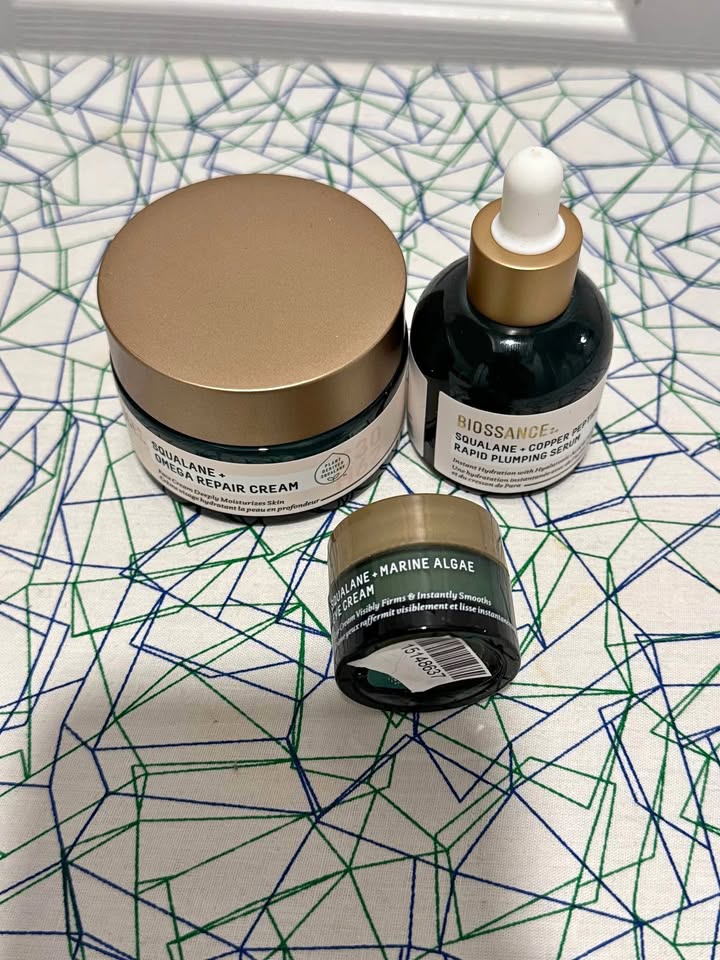
The Biossance serum made my skin feel plumper and more hydrated from the first few uses. That is a squalane base doing what squalane does. The Ordinary gave me a subtle glow more or less straight away, but that is a finish, the way a good moisturizer looks on skin, not a change in the skin.
Learning to discount this window is genuinely useful. If a product feels great on day one, you have learned something about the formulation, not about the peptide.
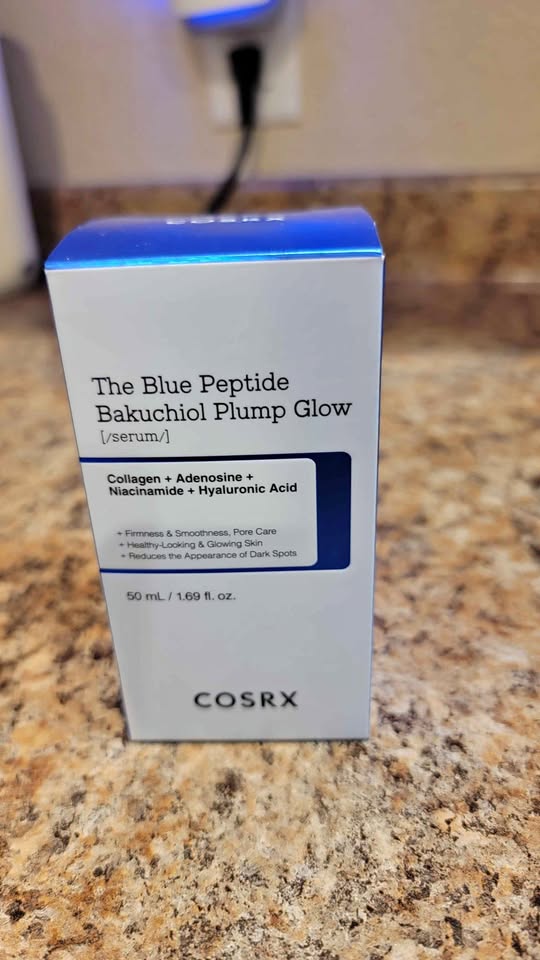
There is one exception in my own data and it is worth naming because it confused me at the time: the COSRX serum did brighten my skin and lighten my dark spots inside the first couple of weeks. Copper peptides do not do that, and when I looked at what else was in the bottle the answer was the bakuchiol sitting next to it.
Weeks 3 and 4: the dead zone
This is where the doubt arrives, and it arrived for me four separate times.
Nothing is happening that you can see. The bottle is a third gone. You have read the research summaries and you are starting to suspect the whole ingredient is marketing. The COSRX cream gave me precisely nothing through week three, and I said so in my seven-week cream review because it is where most people quit.
If you stop here you will never know whether it worked. That is the whole problem with this ingredient: it asks for a month of faith before it gives you any feedback at all.
Weeks 4 to 6: the first thing worth calling a result
Then something shows up, and it is remarkably consistent about what it is.
Firmness. Texture. The look of pores. Skin looking fuller rather than brighter. Across four products at wildly different prices, the same cluster of changes appeared in roughly the same window: week four to five on the COSRX serum, about week four on the COSRX cream, three to four weeks for texture and around six weeks for the look of finer lines on Biossance.
Different formulas, different bases, similar clock. That consistency is the main reason I trust the pattern at all.
Three to six months: the window the research describes
Everything above is early. In the peer-reviewed review of GHK-Cu by Pickart and Margolina, the mechanism described is regenerative and signalling: supporting collagen and the skin’s own repair and remodelling processes. That is not the biology of a fortnight. Tissue remodelling runs on months, and the changes that support the look of firmer, better-quality skin sit downstream of it.
None of my runs has reached that window yet. I will update these pages as they do.
The four runs behind those numbers
The Ordinary Multi-Peptide + Copper Peptides 1%. Daily, seven weeks. Immediate glow, which I read as finish rather than result. At seven weeks I was not willing to claim anything dramatic, and I said so in my firsthand review of The Ordinary serum.
Biossance Squalane + Copper Peptide. Twice daily, two and a half months, my longest run and the clearest staging. Plumper and more hydrated immediately, smoother texture at three to four weeks, the look of finer lines softened around six weeks. Full detail in my two-and-a-half-month Biossance review.
COSRX Blue Peptide Bakuchiol Plump Glow Serum. Twice daily, eight weeks. Two clocks running at once: brightening inside a fortnight, firmness and texture at weeks four to five.
COSRX Blue Peptide Bakuchiol Plump Bounce Cream. Twice daily, seven weeks, final step over my serums. Four weeks of nothing, then fuller-looking skin, more firmness, smoother texture.
If you are convinced yours is not working
Check the calendar before you check the product. The overwhelming likelihood is that you are early rather than unlucky.
Copper peptides give you no feedback loop. No purge, no peeling, no visible milestone that tells you something is happening, which is the thing retinoids get right psychologically even while they are irritating you. You apply an unremarkable serum daily, feel nothing, and are asked to trust a process. Three weeks of that with zero signal is enough to make most people quit, and three weeks is one week short of the earliest point anything showed up for me.
The second thing to check is whether you are running a fair test at all. Twice-weekly use, switching products every month, or judging a moisturizer that sits on top of five other things are all ways to run an experiment that cannot produce an answer.
And a note on the argument people have instead of this one. Concentration matters far less than the internet thinks. The same research shows GHK-Cu triggering cellular responses at very low concentrations, well below anything on a cosmetic label, and the practical limit on your results is usually whether the intact copper complex survives the formula and reaches living skin. A disclosed 0.5% applied twice daily for four months will do more for you than a 1% blend you abandon in week three.
Running a test you can read
Buy enough product up front that you are not making a repurchase decision at week six, because at week six you will not have the information. Change one thing, so you can attribute what happens. Photograph your starting point in consistent light, because slow cumulative change is exactly the kind your memory is worst at, and by week eight you will genuinely not remember what you looked like on day one.
Then judge it on the right axes. Firmness, texture, the look of pores, overall skin quality. If you are checking daily for brightening, you are measuring a different ingredient’s job.
These timelines are my own, taken from products I paid for and applied daily across the durations stated. Four runs on one person is a pattern, not proof, and none of them has yet reached the three-to-six-month window the research describes. Where I cite published work rather than my own use, I link it directly. How we research.